
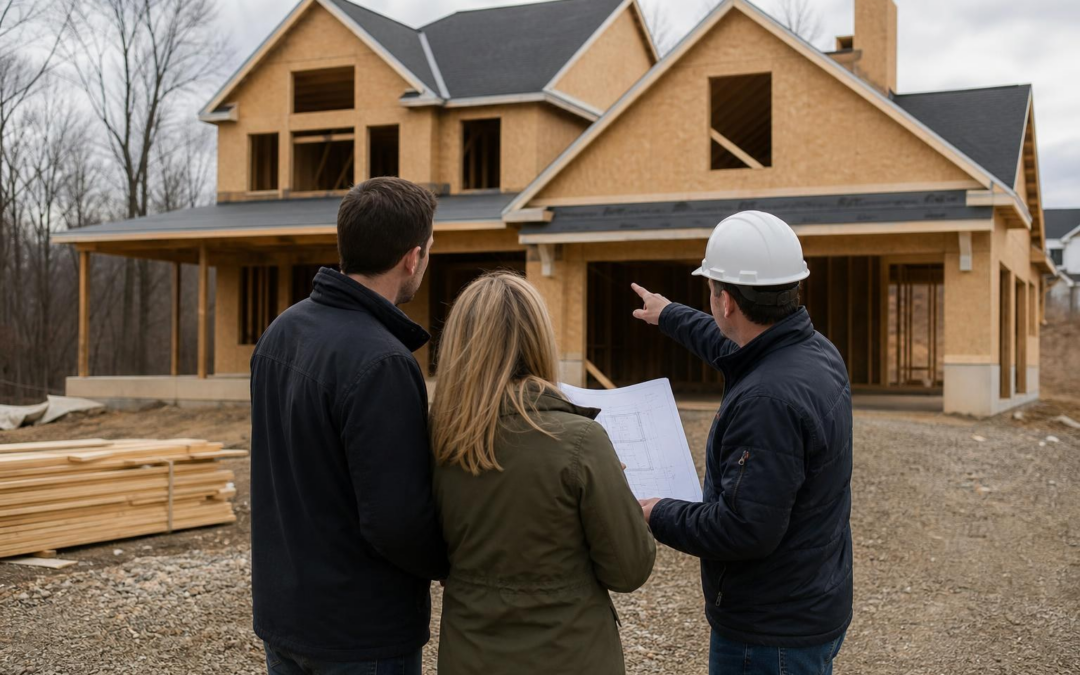
Building a custom home in New Jersey is one of those projects where the timeline question comes up before anything else: before the lot is purchased, before the architect is hired, sometimes before the budget is even set. And the honest answer is that it depends on a dozen variables, most of which are specific to New Jersey’s regulatory environment, weather patterns, and local construction market. A straightforward custom build might wrap in 10 to 12 months from groundbreaking, while a complex project in a coastal zone or a municipality with slow permitting could stretch well past 18 months. If you’re planning a custom home build in New Jersey, understanding what drives the timeline – and where the delays actually come from – is worth more than any optimistic estimate from a sales rep.
Average Timeline for New Jersey Custom Home Construction
Most custom homes in New Jersey take between 12 and 18 months to complete once construction begins. That range accounts for a typical single-family home on a standard residential lot, with a builder who has experience in the specific municipality. But “average” hides a lot of variation, and the pre-construction phase (design, engineering, permitting) can add another 3 to 8 months before a shovel hits dirt.
The total door-to-door timeline, from your first meeting with an architect to receiving a certificate of occupancy, realistically falls between 15 and 24 months for most New Jersey custom builds in 2026.
General Timeframes: From Groundbreaking to Move-In
Once you have permits in hand and construction starts, here’s a rough breakdown of what to expect:
- Foundation and framing: 6 to 10 weeks
- Rough mechanicals (plumbing, electrical, HVAC): 4 to 6 weeks
- Insulation, drywall, and interior rough work: 4 to 6 weeks
- Finish carpentry, flooring, painting, and fixtures: 6 to 10 weeks
- Final inspections and punch list: 2 to 4 weeks
These phases overlap somewhat, but the total construction window for a moderately sized home typically lands around 10 to 14 months. Larger or more complex homes push that higher.
The Impact of Home Complexity and Square Footage
A 2,500-square-foot colonial on a flat lot in central New Jersey is a fundamentally different project than a 5,000-square-foot home with a walkout basement built into a hillside in Morris County. Square footage matters, but complexity matters more. Features like custom stone facades, timber framing, multi-zone radiant heating, or elaborate outdoor living spaces each add weeks to the schedule.
Homes over 4,000 square feet almost always take 14 months or longer to build. Homes with specialty architectural elements, like curved walls, custom steel work, or imported materials, can push past 20 months easily.
The Pre-Construction Phase: Design and Planning
The pre-construction phase is where most homeowners underestimate the time involved. Design and planning aren’t just about picking floor plans and finishes. In New Jersey, this phase involves structural engineering, environmental assessments, utility coordination, and municipal review processes that vary wildly from town to town.
Budget at least 3 to 6 months for this phase, and longer if your lot has wetlands, steep grades, or falls within a flood zone.
Architectural Design and Engineering Requirements
A custom home design typically goes through three to five rounds of revision before plans are finalized. The initial schematic design takes 4 to 6 weeks, followed by design development (where dimensions, materials, and structural systems are specified) at another 4 to 8 weeks. Construction documents, the detailed drawings your builder and municipality need, add 4 to 6 more weeks.
Engineering requirements in New Jersey are strict. Structural, civil, and sometimes geotechnical engineers all need to review and stamp plans. If your lot requires a septic system, you’ll need soil testing and a septic design from a licensed engineer, which alone can take 6 to 10 weeks depending on county health department backlogs.
Navigating New Jersey Municipal Permits and Zoning
New Jersey has 564 municipalities, and each one handles building permits and zoning differently. Some towns process residential permits in 4 to 6 weeks. Others, particularly in Bergen, Essex, and Monmouth counties, can take 10 to 14 weeks or more. If your project requires a zoning variance or a planning board hearing, add 2 to 4 months to your timeline.
Common triggers for zoning hearings include lot coverage exceedances, setback encroachments, and height variances. Even something as simple as a detached garage that sits slightly too close to a property line can require a formal hearing with public notice, neighbor notification, and board approval. Your architect and builder should flag these issues early so they don’t blindside you mid-process.
Regional Factors Unique to the Garden State
New Jersey’s geography and regulatory structure create construction variables you won’t find in most other states. From nor’easters to DEP oversight, regional factors play a real role in how long a custom home takes to build here.
Seasonal Weather Constraints and Winter Delays
Construction doesn’t stop in winter in New Jersey, but it slows down considerably. Concrete can’t be poured when ground temperatures drop below 40°F without special (and expensive) cold-weather measures. Excavation in frozen ground is slower and costlier. Roofing and exterior work become weather-dependent from late November through March.
Builders who start foundation work in spring or early summer tend to have the smoothest timelines, because the framing and exterior envelope can be completed before winter hits. A project that breaks ground in October, by contrast, often loses 4 to 8 weeks to weather delays over the winter months. If you have flexibility on your start date, timing your groundbreaking for April or May gives you the best shot at staying on schedule.
Coastal Construction and DEP Regulations
Building along the Jersey Shore or in any area regulated by the New Jersey Department of Environmental Protection adds a layer of permitting that inland projects don’t face. CAFRA (Coastal Area Facility Review Act) permits, waterfront development permits, and flood hazard area permits can each take 3 to 6 months to obtain.
If your lot is near wetlands, tidal waters, or within a CAFRA zone, expect the permitting phase alone to stretch 6 to 12 months. The DEP has improved processing times somewhat since 2024, but complex applications still move slowly. Builders experienced in shore construction know to submit DEP applications as early as possible, often before architectural plans are fully finalized, to run the permitting timeline in parallel with design work.
Step-by-Step Construction Milestone Breakdown
Once permits are secured and your builder mobilizes, the construction process follows a predictable sequence. Each phase depends on the one before it, which is why delays early in the process cascade through the entire schedule.
Site Preparation, Foundation, and Framing
Site work includes clearing, grading, and excavation. For lots that need tree removal, erosion control, or soil remediation, this phase takes 2 to 4 weeks. Foundation work (footings, foundation walls, waterproofing, and backfill) adds another 3 to 5 weeks, depending on foundation type. A full basement takes longer than a slab-on-grade.
Framing is the most visible phase and typically takes 4 to 8 weeks for a standard custom home. This is when the house takes shape, and it’s also when most homeowners start to feel the project is “real.” Roof sheathing and exterior sheathing follow framing, creating a weather-tight shell that allows interior work to proceed regardless of conditions outside.
Mechanicals, Plumbing, and Electrical Rough-ins
Once the frame is up and the roof is on, the mechanical trades move in. Plumbers run supply and drain lines, electricians pull wire and install panels, and HVAC contractors install ductwork or piping. This phase typically runs 4 to 6 weeks, with inspections required before walls can be closed up.
In New Jersey, each trade requires a separate sub-code inspection. Scheduling these inspections can add a few days to the timeline, particularly in municipalities where inspectors are booked out a week or more. Your builder’s relationship with the local building department matters here: experienced local builders know the inspection rhythms and plan accordingly.
Interior Finishes and Final Inspections
The finish phase is where the timeline can either tighten up or balloon, depending on material availability and decision-making speed. Drywall, taping, and painting take 3 to 4 weeks. Flooring installation, cabinetry, countertops, tile work, and fixture installation fill another 6 to 10 weeks.
Final inspections in New Jersey include building, electrical, plumbing, fire, and sometimes health department (for septic systems). Once all sub-code inspections pass, the municipality issues a certificate of occupancy. This final inspection process takes 1 to 3 weeks, though some towns are faster than others.
Common Variables That Can Extend Your Schedule
Even well-planned projects hit snags. The two most common schedule-busters in New Jersey custom home construction are material delays and client-driven changes.
Supply Chain Fluctuations and Material Lead Times
Certain materials have lead times that can derail a construction schedule if not ordered early. In 2026, custom windows remain one of the biggest bottlenecks, with lead times of 10 to 16 weeks for many manufacturers. Custom cabinetry runs 8 to 14 weeks. Specialty stone, imported tile, and certain roofing materials can take even longer.
Smart builders place orders for long-lead items during the design phase, well before construction starts. If your builder waits until framing is complete to order windows, you’re almost guaranteed a multi-week delay. Ask your builder for a procurement schedule at the start of the project and hold them to it.
Change Orders and Design Modifications
Every change order during construction costs time, not just money. Moving a wall, changing a window size, upgrading a mechanical system, or swapping out a finish material all require revised plans, potential re-inspection, and schedule adjustments. A single significant change order can add 2 to 4 weeks to the timeline.
The best way to minimize change orders is to invest heavily in the design phase. Spend the time and money upfront to make decisions about layouts, finishes, and systems before construction begins. Walk through 3D renderings, visit material showrooms, and finalize selections early. The clients who have the smoothest builds are almost always the ones who made their decisions before the foundation was poured.
Tips for Keeping Your NJ Build on Track
Keeping a New Jersey custom home build on schedule comes down to preparation, communication, and choosing the right team. Here are the most effective strategies:
- Hire a builder with experience in your specific municipality. Local knowledge of permitting timelines, inspector preferences, and zoning quirks saves weeks.
- Start the permitting process as early as possible. Run permit applications in parallel with design finalization whenever you can.
- Make all major design and finish selections before construction begins. Indecision during the build is the single biggest client-controlled cause of delays.
- Order long-lead materials during the design phase. Windows, cabinets, and specialty items should be on order months before they’re needed on site.
- Build a realistic buffer into your timeline. Add 10 to 15 percent to whatever your builder estimates. If they say 12 months, plan for 14.
- Maintain weekly communication with your builder. A short weekly update call catches small issues before they become big delays.
The timeline for building a custom home in New Jersey is rarely as short as anyone hopes, but it doesn’t have to be a mystery. With the right builder, early planning, and realistic expectations, most homeowners can move into their new home within 15 to 20 months of starting the process. The key is understanding where the time actually goes and making smart decisions early enough to keep things moving.